


If you’ve ever brewed a bag of dried leaves in hot water and wondered why it tasted more like grass clippings than a soothing beverage, you’re not alone. Herbal infusions are simple in theory, but there is a real difference between dunking leaves in water and brewing something worth drinking. Here’s what most beginners do wrong and how to fix it.
What Is A Herbal Infusion, Anyway?
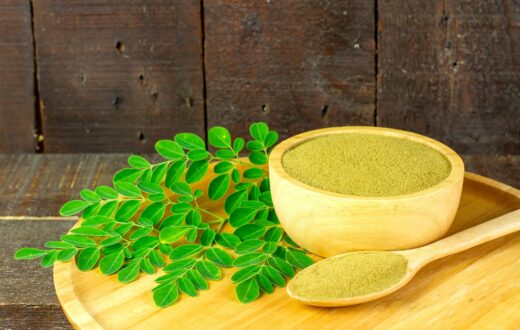
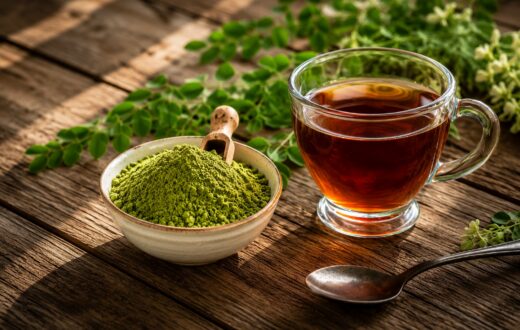
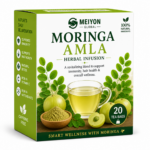
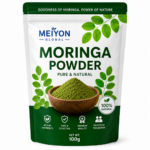
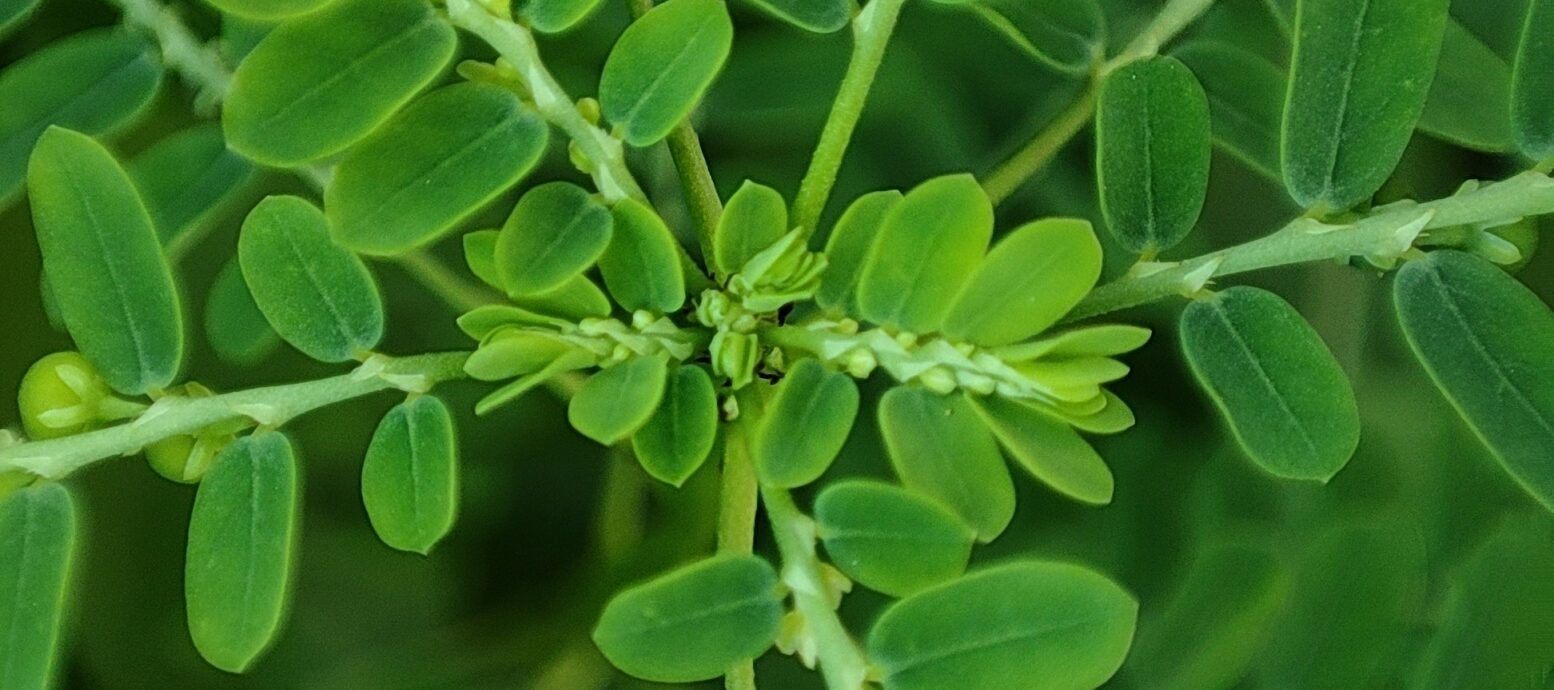
Let’s make this clear first, because people confuse terms all the time. An infusion is not a decoction and most certainly not your everyday tea. Real tea comes from the Camellia sinensis plant. Herbal infusions however are made from almost anything else – dried leaves, dried flowers, roots or dried herbs such as moringa, hibiscus or guava leaf. (Usually) caffeine-free, these are the drinks people turn to when they want something calming without the jitters.
Why The Temperature Of The Water Matters
This is where most people get it wrong right away. Boiling water seems the obvious answer, but it can burn delicate leaves and flowers and draw out bitterness rather than flavor.
-Leafy herbs (Moringa, Guava leaf, Mint): just off boil, approx 90-95°C
-Flowers (hibiscus, chamomile) : a bit cooler, about 85-90°C
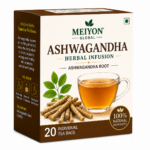
-Roots and bark (ashwagandha, ginger): these can take a higher boil since they’re tougher and need more heat to release their compounds
Don’t have a thermometer? No problem. Just let the boiling water sit for a minute or two to cool, then pour over the leaves and flowers.
How Long Should You Really Steep?
Here’s the thing no one tells the newbs: steeping time for herbal infusions is not a one size fits all deal, and more time does not equal more flavor. Overstepping is as frequent a mistake as under steeping.
Good rule of thumb:
-Leaves and blossoms: 5-7 minutes
-Roots and tougher material: 8-12 minutes, sometimes even a gentle simmer
If your infusion tastes bitter or too sharp, you’ve likely gone too long. Next time, hit the brakes.
The Question Of Ratio
People are always looking at this and to be honest once you know what you are doing that’s fine. But if you’re just starting out, a solid baseline is one teaspoon of dried herb per cup of water. You can go up from there depending on how strong you want it to be.
One thing to remember: dried herbs are more concentrated in flavor and more potent, so you’ll need two to three times the amount of fresh herbs versus dried.
It’s More Than A Fancy Habit To Cover Your Cup
This is going to shock people. What about those volatile oils that give herbs their smell and a lot of their good stuff? If you leave your cup open they evaporate with steam. A simple saucer over the top, or a lid if you’re using a teapot, will trap that steam and keep more of the good stuff in your cup rather than floating around your kitchen.
Don’t Skip The Strain
It may seem harmless to leave leaves in your cup after steeping, but it will generally make your beverage more bitter the longer it sits. Every time you will taste a smoother, more balanced flavor. Just strain it out when your steep time is up!
Mixing Herbs: Yes, You Can Do That
Once you have the basics down, that’s where the fun comes in when blending herbs. For something tart and earthy, moringa works surprisingly well with hibiscus. Guava leaf and ginger are a warming combo that is great in cooler months. There’s no rulebook here, just start with small ratios and adjust to your liking.
Things To Avoid
Here’s a quick list of what trips people up most:
-Too hot water for tender herbs
-Steeping way longer than needed “for strength”
-Storing dried herbs in clear jars in direct sunlight (this will rapidly kill potency)
-Reusing the same herbs for a second steep without adjusting time (they’ll be weaker, so give it longer)
Storage Tips That Really Make A Difference
Keep dried herbs used for herbal infusions in an airtight container in a cool dark place. Keep it on a pantry shelf instead of near your stove. Most dried herbs will last 6 months to a year if stored well. You will notice the aroma fading and that is a good sign that it is time to restock.
Thinking Ahead
In fact, a good herbal infusion is a matter of paying attention to temperature, timing and what you’re actually using. Once you’ve got the hang of it, you won’t measure it all, you’ll just know when a cup is ready. Keep it simple, experiment a little, and don’t be afraid to adjust to your own taste. That’s really the whole point of brewing your own instead of buying it.